
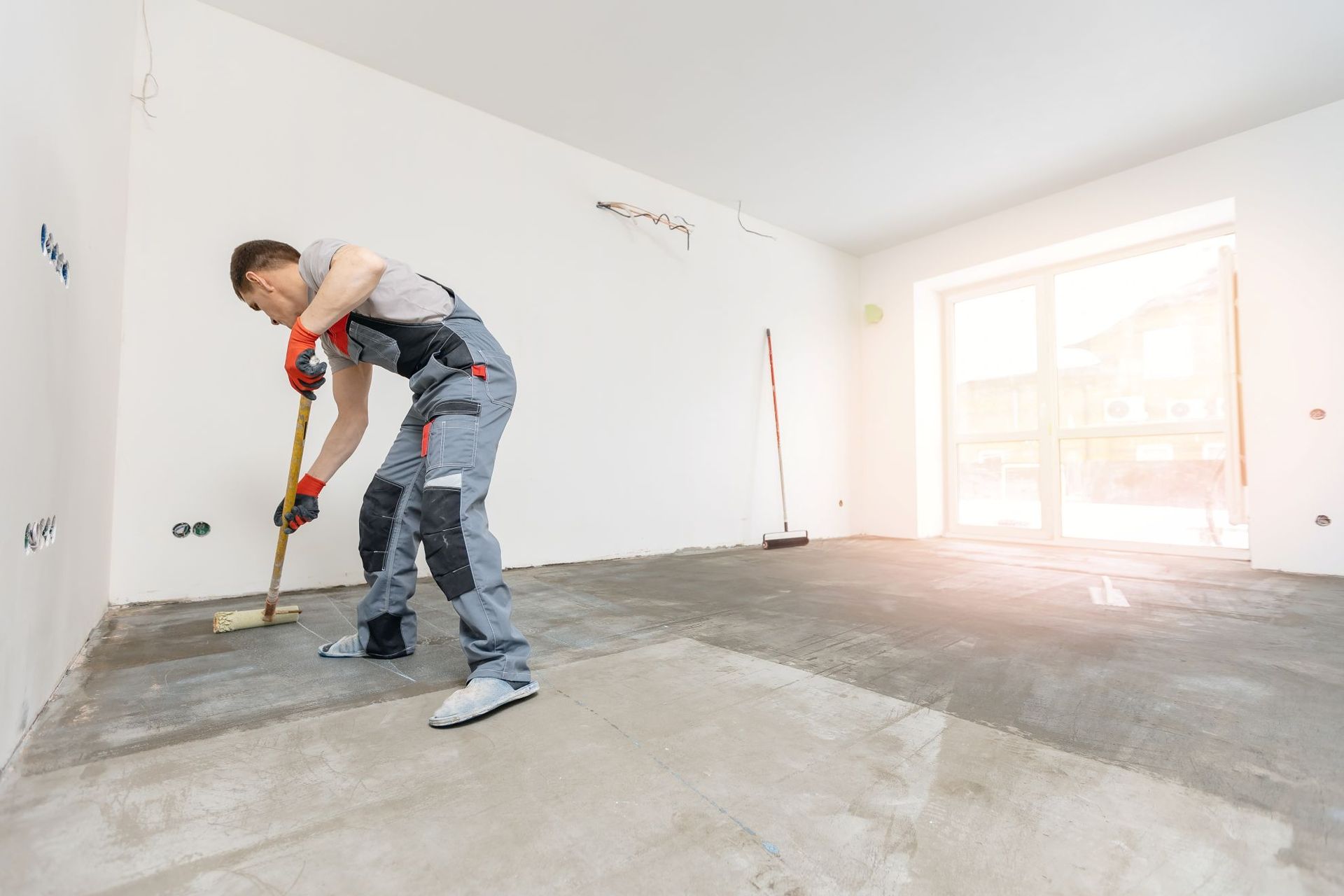
Color That Penetrates Below the Surface
Concrete Staining in Texarkana for patios, walkways, and interior floors requiring permanent color
Staining addresses the limitation of paint and surface coatings, which sit on top of concrete and eventually peel or wear away under foot traffic and UV exposure. Diamond Cut Custom Coating applies acid-based or water-based stains that chemically react with the concrete or penetrate into the porous surface, creating color that becomes part of the slab rather than a film on top of it. The process works on driveways, patios, walkways, and interior floors across Texarkana where property owners want a natural, textured appearance that highlights concrete variation instead of covering it up.
Acid stains react with the lime content in concrete to produce earthy tones—browns, tans, greens, and terra cotta shades that vary in intensity based on the concrete's age, porosity, and mineral composition. Water-based stains offer a broader color range and more consistent results because they penetrate the surface without relying on chemical reaction. Both methods create translucent color that lets the concrete's natural texture and imperfections show through, which is why stained floors look organic rather than uniform.
Schedule a staining consultation to review color samples on actual concrete and discuss how your slab's condition will affect the final appearance.
Why Staining Lasts Longer Than Surface Coatings
Because the color penetrates into the concrete or bonds at a molecular level, it doesn't chip, peel, or wear off the way paint does when exposed to abrasion. Foot traffic, furniture movement, and outdoor weathering won't remove the color—they only affect the sealer that's applied over the stain to protect it from staining and moisture penetration. Resealing every few years maintains protection without changing the color underneath.
After staining, your concrete displays rich, variegated color with natural mottling and tone variation that reflects how the stain interacted with different areas of the slab. Interior floors take on warmth and depth without the expense of tile or hardwood, and outdoor surfaces develop character that complements landscaping and architectural features. The finish resists fading from sunlight far better than topical coatings because UV exposure affects only the sealer, not the color locked into the concrete itself.
Staining doesn't hide surface defects—cracks, spalls, and discoloration remain visible and often become more pronounced once color is applied. Some property owners appreciate this textured, weathered look, while others prefer the uniform appearance of an opaque coating system. The decision depends on whether you want the concrete's character highlighted or concealed, and whether the existing slab condition supports a translucent finish.
Concrete staining produces results that vary based on slab condition and stain chemistry, so understanding what affects the outcome helps set accurate expectations before work begins.
Questions Before Starting Your Project
What's the difference between acid and water-based stains?
Acid stains react chemically with concrete to produce earthy, variegated tones that can't be fully predicted, while water-based stains penetrate the surface with more color consistency and a broader palette including blues, reds, and blacks not achievable with acid chemistry.
How does concrete age affect stain results?
Newer concrete with higher lime content reacts more vigorously to acid stains and produces deeper color, while older slabs that have carbonated over time show more subtle tones and require longer dwell times to achieve similar intensity.
Can staining cover existing stains or discoloration?
Staining is translucent, so oil stains, rust marks, and discoloration will still be visible after application and may actually become more prominent once color is added, which is why heavily stained concrete often needs alternative treatments.
What kind of sealer goes over the stain?
Diamond Cut Custom Coating applies breathable acrylic or penetrating sealers that protect the stained surface from moisture and staining without trapping vapor in the slab, which matters in Texarkana where humidity and temperature swings cause concrete to absorb and release moisture continuously.
How long does stained concrete last before it needs attention?
The stain itself is permanent, but the protective sealer wears down over time depending on traffic and exposure, typically requiring reapplication every two to four years to maintain moisture resistance and prevent surface staining.
Diamond Cut Custom Coating applies stains with techniques that ensure even coverage and consistent color development based on your concrete's specific characteristics. Request an evaluation to determine whether your slab is a good candidate for staining and what color range you can expect given its current condition.